
Parallel Changes the World, Collaboration Achieves the Future.
In the rapid landscape of evolving modern factories, palettized robot systems appeared to be instrumental in the manufacturing efficiency revolution, improving productivity and strengthening safety protocols. The importance of the deployment of these systems cannot be overestimated; They provide a critical solution to the challenges inherent in manual palletization, such as inconsistent stack, work injuries, and fluctuating availability of work. By automating these processes, factories rationalize not only their operations but also create more adaptable and resilient production lines that can dynamically respond to market demands. In this article, we will cover all aspects of Palletizing robot systems for factories.
The evolution of palletization robots has been marked by significant technological progress, transforming them from rudimentary machines into sophisticated systems capable of complex tasks. Initially developed in the middle of the 20th century, the puck robots used simple programmed movements to fulfill basic stacking functions. Over the decades, significant innovations have motivated their growth - improved robotic technologies that allow the management of a greater variety of products with advanced vision systems powered by artificial intelligence, allowing robots to recognize and adapt to real-time changes on the production floor. In particular, the contributions of researchers such as Moura and Silva (2018) presented the pivotal meaning of automatic programming systems which allow more dynamic adjustments to the operating parameters of the robots. This development has announced a new era in the functionality of robots, with the possibility of easily reprogramming robots to adapt to different product configurations - a jump that embodies the demand for flexibility in contemporary manufacturing environments.
Palettizing robot systems has made substantial breakthroughs in a wide range of industries. From food and drinks to pharmaceutical products and consumer goods to automotive manufacturing, these systems are not only a trend but a necessity in the landscape of the competitive market today. The industries that favor speed, efficiency, and precision adopted automation, not only to keep pace but to reach operational excellence. For example, in a food processing plant, a palette robot can operate tirelessly to stack boxes of goods at an impressive pace, while maintaining the cleanliness and integrity required for food security. This transition to automation represents a broader transformation aimed at alleviating human error, optimizing labor costs, and improving the overall quality of production.
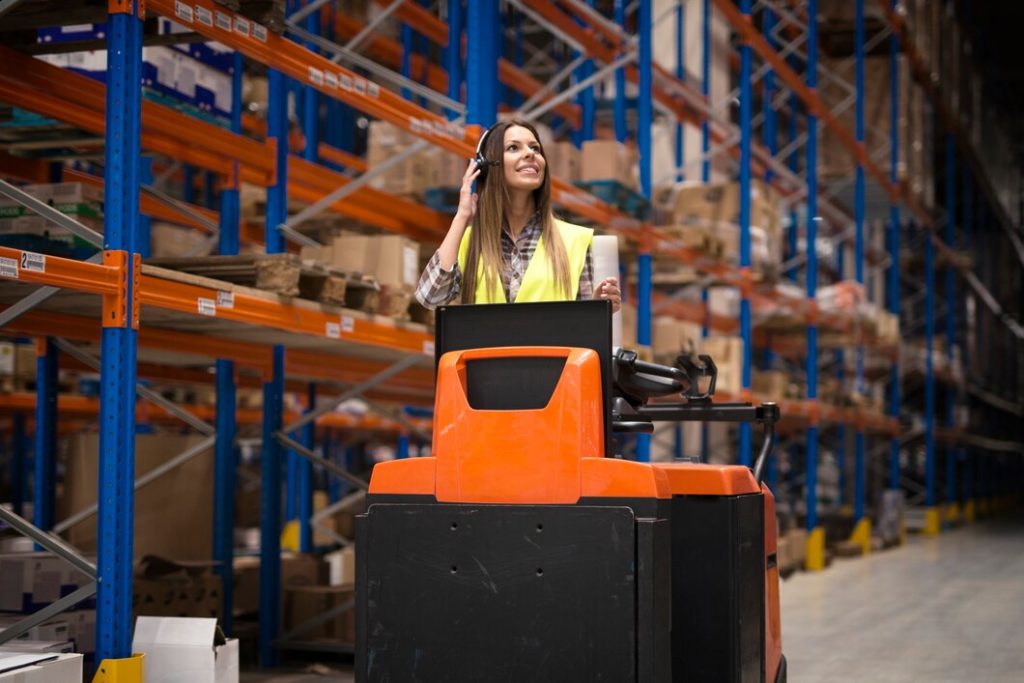
In addition, with an emerging interest in Industry 4.0, the interconnectivity of the equipment has revolutionized the functioning of factories. The analysis of real-time data and the integration of the Internet of Things (IoT) improves the functionality of the packing robots, which allows them to interact transparently with other systems, such as inventory management and production planning - improving the efficiency of production processes. The ability of these robotic systems to collect and analyze performance data informs continuous improvement strategies, leading to better allocation and resource maintenance calendars.
The main types of robot palletization include articulated robots, Cartesian robots, and collaborative robots (Cobot).
The articulated robots are renowned for their flexibility and dexterity; Their multi-joint arms can manage complex dribblers with precision. These robots are generally used in sectors such as food and drinks, pharmaceutical products, and consumer goods, where packaging variations require agility. For example, articulated robots can manage different sizes and shapes without the need for large reconfigurations.
On the other hand, Cartesian robots, also known as standing robots, use linear movements for three axes: X, Y, and Z. This design allows them to manage loads of profits for large areas, making them ideal for environments in which space is limited. Industries such as the automotive and electronics industries immensely benefit from this type of robot due to its ability to stack articles in a highly organized way, ensuring optimal inventory management and efficient use of space.
Collaborative robots are revolutionizing the palletization panorama by working alongside human operators safely. Their sensitivity to external forces and integrated security characteristics improve the adaptability of existing processes without the need for large safety barriers. In sectors such as e-commerce, in which the speed of realization and flexibility are fundamental, the Cobots quickly adapt to various tasks, maximizing efficiency without sacrificing safety or ergonomics.
The fins are perhaps the most crucial; They are designed to manage different materials and types of load, whether it is cardboard, a sack, or bulk items. Advanced pliers technologies are often equipped with sensors to evaluate the pressure pressure and adjust accordingly, which mitigates the risk of damaging the products during manipulation.
Vision systems also play an essential role in intelligent palletization. Equipped with cameras and image processing skills, these systems allow robots to identify the correct positioning of the items and dynamically respond to irregularities in the flow of the product. This real-time feedback circuit significantly increases the accuracy and efficiency of the dribble processes.
The control software integrates all components of the robot systems, providing a unified interface for monitoring, programming, and real-time adjustments. This software can often be scheduled to communicate with other factory systems, making the general operation more streamlined and interconnected, as highlighted by Bock and Linner (2015). Their work underlines the largest implications of robotic industrialization, underlining that the integration of the robots in existing paintings is fundamental to exploiting their full potential.
With the myriad of advantages of the implementation of robot palletization, it is no wonder that the factories are anxious to adopt these technologies.
The key benefits include the reduction of work costs through automation, an increase in consistency and reliability of the results, and a lower risk of injuries for human workers.
However, companies must navigate critical considerations during implementation.
Evaluating the available space is fundamental; inadequate room can hinder the functionality of the robots, leading to inefficiencies. The types of load and weights must be carefully evaluated to ensure that adequate selection and safety measures are underway. In addition, the integration of these sophisticated systems with existing workflows requires careful planning to minimize interruptions during the transition.
In summary, the panorama of Palletizing robot systems for factories is diversified and complex, offering various options suitable for different industrial applications. Their components and technologies are perfectly tuned to facilitate efficient, safe, and effective dribble processes. The advantages are compelling, but companies must consider the factors necessary for a correct implementation in their specific environments. Visit Warsonco to buy highly efficient Palletizing robot systems for factories.










 Search
 +86 18046987606
  fiona@warsonco.com